
Best Spine Specialist in Sant Parmanand Hospital: A Complete Guide to Dr. Sanyam Jain's Spine Care
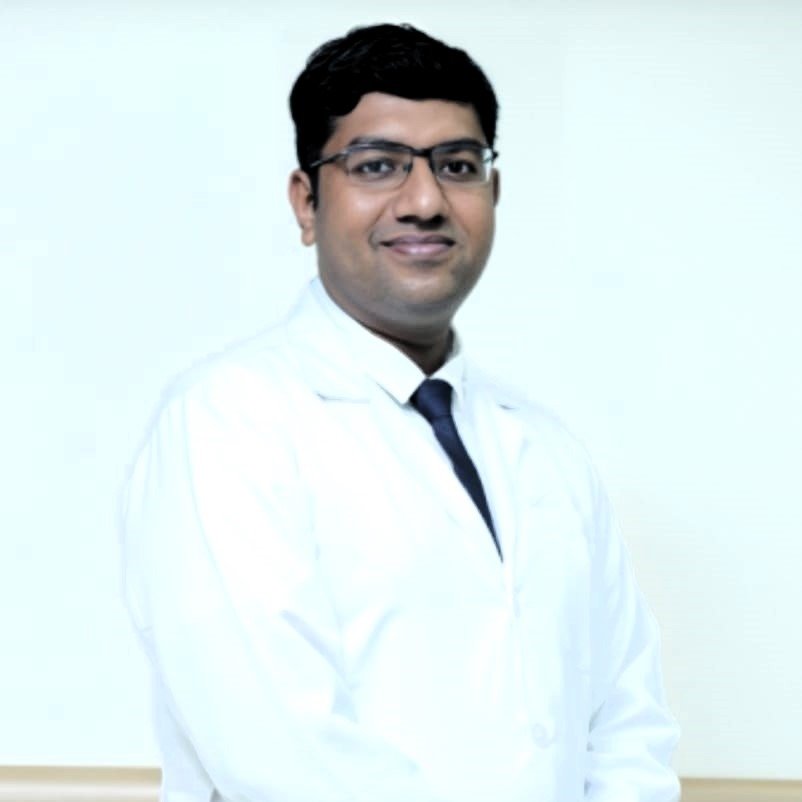
Introduction
If you’ve been living with back pain that won’t quit, or a tingling sensation running down your leg that makes you dread getting out of bed, you already know how much a bad spine can shrink your world. Stairs become a negotiation. Sitting through a meeting becomes a test of will. And somewhere along the way, you started searching for the best spine specialist in Sant Parmanand Hospital because you’re done managing pain and ready to actually fix the problem.
This guide walks you through who Dr. Sanyam Jain is, what he treats, how Sant Parmanand Hospital supports spine care in North Delhi, and what you can expect if you decide to book a consultation.
Who is Dr. Sanyam Jain?
Dr. Sanyam Jain is a spine surgeon at Sant Parmanand Hospital, located in Civil Lines, Delhi, where he treats patients dealing with back pain, neck pain, slipped discs, and complex spinal conditions. He works with patients across the full range of spinal problems, from everyday muscular back pain to conditions that need surgical correction.
As a Sant Parmanand Hospital spine doctor, his practice is built around a straightforward idea: most people don’t want surgery; they want their pain gone and their mobility back, and surgery should only enter the conversation when it’s genuinely the right tool for the job. That philosophy shapes how he evaluates every patient who walks through his door.
Why Choose Dr. Sanyam Jain for Spine Care
Choosing a spine specialist isn’t like choosing a general physician. The spine is dense with nerves, and small errors in diagnosis or treatment can have outsized consequences. Here’s what patients typically weigh when evaluating a spine surgeon in Delhi NCR:
- Accurate diagnosis first. Some cases of back pain require imaging, and not all imaging results need treatment. Dr Sanyam Jain’s evaluation procedure is designed to distinguish what is causing your symptoms from accidental results that do not require intervention.
- Conservative-first treatment philosophy. Surgery is positioned as a last resort, rather than a first option, for patients whose illnesses respond to non-surgical treatment.
- When surgery is truly necessary, access to advanced surgical procedures, such as minimally invasive and endoscopic treatments that shorten recovery time compared to traditional open surgery, is provided.
- Continuity of care. Spine care does not end with an operation; recovery and rehabilitation are integral parts of the same relationship and are not transferred elsewhere.
If you’ve searched for a back pain specialist at Sant Parmanand Hospital or a cervical spine specialist in Delhi, these are the criteria worth applying to any doctor you’re considering, not just this one.
Why Sant Parmanand Hospital is Known for Spine Care
Sant Parmanand Hospital, situated in Civil Lines, Delhi, has built a reputation as a multi-specialty facility that supports orthopedic and spine care with the infrastructure that complex spine cases need, diagnostic imaging, a dedicated operating environment for spinal procedures, and post-operative care coordination.
For patients searching for a spine specialist near me in Civil Lines or a spine clinic in Civil Lines, hospital infrastructure matters as much as the surgeon’s individual skill. Spine surgery outcomes depend on the full chain: accurate imaging, a properly equipped OT, an anesthesia team experienced with spinal procedures, and a nursing team trained in post-spinal-surgery recovery protocols. Sant Parmanand Hospital’s setup is designed around that chain.
Spine Conditions Treated
Dr. Sanyam Jain, as an orthopedic doctor in Sant Parmanand Hospital, Civil Lines, treats a broad spectrum of spinal conditions, including:
| Condition Category | Examples |
| Disc-related | Slipped disc (herniated disc), bulging disc, degenerative disc disease |
| Spinal deformity | Scoliosis, kyphosis |
| Nerve compression | Sciatica, spinal stenosis, cervical radiculopathy |
| Spinal instability | Spondylolisthesis, spinal fractures |
| Degenerative conditions | Cervical spondylosis, lumbar spondylosis |
| Post-traumatic | Spinal injuries from accidents or falls |
Slipped Disc Treatment in Delhi
A slipped disc, when the soft cushion between spinal bones pushes out and presses on a nearby nerve, is one of the most common reasons patients seek out slipped disc treatment in Delhi. Symptoms range from localized back pain to sharp, radiating pain down an arm or leg. Most slipped disc cases respond to non-surgical management; surgery is reserved for cases with persistent nerve compression or progressive weakness.
Scoliosis Care
Scoliosis specialists in Delhi evaluate curvature severity, growth stage (in younger patients), and progression risk before recommending bracing, physical therapy, or surgical correction. Adult scoliosis is managed differently from adolescent scoliosis, since the treatment goals shift from preventing curve progression to managing pain and function.
Signs You Should See a Spine Specialist
Not every ache needs a specialist. But certain symptoms are signals your body sends when something needs proper evaluation:
- Back or neck pain that persists for more than 4-6 weeks despite rest and simple treatment.
- Pain that travels to an arm or leg.
- Numbness, tingling, or weakness in your limbs.
- Pain that intensifies or disrupts sleep.
- Loss of bladder or bowel control (this requires immediate emergency care and not a scheduled visit).
- A conspicuous spinal curvature or asymmetry.
- Pain following a fall, accident, or injury that does not resolve.
If any of these sound familiar, that’s your cue to stop self-diagnosing from search results and get an actual evaluation.
Non-Surgical Treatment Options
The majority of spine patients never need an operating table. Non-surgical treatment typically includes:
- Physical therapy — focused exercises to strengthen supporting muscles and improve mobility.
- Medication management — anti-inflammatory and pain-relieving drugs for symptom control.
- Epidural steroid injections — targeted injections to reduce inflammation around the pinched nerve.
- Activity modification — correcting posture and making ergonomic adjustments, particularly for desk-bound patients.
- Bracing — for some spinal anomalies or to provide post-injury stability.
Key Takeaway: Surgery is a technique for specific cases, such as prolonged nerve compression, structural instability, or failure of non-surgical treatment after a sufficient trial period. Most spinal discomfort does not begin with this step.
Minimally Invasive Spine Surgery
When surgery is truly necessary, minimally invasive spine surgery in Delhi has transformed recovery from traditional open operations. Smaller incisions result in less muscle disruption, which means less post-operative pain and a quicker return to normal activities.
Endoscopic spine surgery in Delhi goes a step further, addressing disc herniations and some nerve compression instances with minimal tissue disruption by inserting a small camera and specialized instruments through a tiny incision.
Advanced Spine Procedures
Dr. Sanyam Jain’s training includes open spine surgery, spinal deformity correction (scoliosis and kyphosis), and management of spinal trauma, tumors, and infection, as well as biportal endoscopic spine surgery (UBE), a technique he learned during a dedicated fellowship in South Korea. Which strategy is best is entirely determined by the exact diagnosis, the patient’s anatomy, and overall health; there is no universal “best” procedure that applies to every case.
Why Early Diagnosis Matters
Spine conditions rarely improve by being ignored. What starts as occasional discomfort can, over months or years, progress into chronic pain or nerve damage that’s harder to reverse. Early diagnosis matters because:
- Non-surgical treatment is more effective when begun before nerve damage becomes substantial.
- Early detection and monitoring of deformities like scoliosis make them easier to manage.
- Delayed nerve compression therapy can result in lifelong paralysis or numbness.
- There are usually more therapy choices for early-stage diseases.
Patient-Centric Approach
Spine treatment works best when it’s collaborative rather than prescriptive. A patient-centric approach means:
- Explain the diagnosis in regular English, not simply medical terminology.
- Walking through all potential treatment choices, including risks and projected outcomes.
- Respecting a patient’s decision to try conservative treatment before surgery.
- Setting realistic healing timelines instead of overpromising results.
Recovery and Rehabilitation
Recovery doesn’t end when you leave the hospital; arguably, it’s where the real work begins. Post-treatment rehabilitation typically involves:
- Immediate post-operative care – pain management and mobility monitoring in the days after surgery.
- Physical therapy – strength and mobility exercises that usually begin several weeks after surgery.
- Follow-up imaging – to confirm the healing process at regular intervals.
- Lifestyle advice – posture, activity moderation, and ergonomic adjustments to avoid recurrence.
Recovery periods vary substantially depending on the procedure and particular health variables; this is something your surgeon should go over with you, not a statistic from a generic article.
What to Expect During Your Consultation
A first consultation with a spine consultant near Civil Lines typically includes:
- A complete history of your symptoms, including when they first appeared and what causes them to improve or worsen.
- A physical examination to assess mobility, reflexes, and nerve function.
- Review of any existing imaging (X-rays, MRIs, CT scans), or referral for imaging if none exists.
- A discussion of various diagnoses and therapy pathways.
- A successful consultation should never feel rushed.
Bring any prior medical records, imaging discs or reports, and a list of medications you’re currently taking.
How to Book an Appointment
If you have persistent back or neck pain, do not wait until it becomes an emergency. Booking an appointment with Dr. Sanyam Jain at Sant Parmanand Hospital, Civil Lines, Delhi, is the first step toward a correct diagnosis, rather than another month of guessing and self-medicating.
Book your consultation today and get a clear picture of what’s actually happening with your spine and what your real options are.
FAQs – Best Spine Surgeon in Baraut
Who is the best spine specialist in Sant Parmanand Hospital?
Dr. Sanyam Jain practices as a spine specialist at Sant Parmanand Hospital in Civil Lines, Delhi, treating conditions ranging from slipped discs to complex spinal deformities.
What conditions does a spine specialist at Sant Parmanand Hospital treat?
Common conditions include slipped discs, sciatica, spinal stenosis, scoliosis, spondylolisthesis, cervical and lumbar spondylosis, and spinal fractures.
Do I need surgery for a slipped disc?
Most slipped disc cases improve with non-surgical treatment like physical therapy, medication, and injections. Surgery is considered when nerve compression persists or worsens despite conservative care.
What is minimally invasive spine surgery?
It's a surgical approach using smaller incisions and specialized instruments to reduce muscle disruption, typically resulting in less post-operative pain and faster recovery than traditional open surgery.
How do I know if my back pain needs a specialist?
If pain persists beyond 4-6 weeks, radiates into a limb, or comes with numbness or weakness, it's time for a proper evaluation rather than continued self-management.
Is scoliosis treatable without surgery?
Many scoliosis cases, especially with mild to moderate curves, are managed with bracing and physical therapy. Surgical correction is reserved for more severe or progressive curves.
What should I bring to my first spine consultation?
Prior imaging (X-ray, MRI, CT), medical records, a list of current medications, and a clear description of your symptoms and their timeline.
How long is recovery after spine surgery?
Recovery timelines vary by procedure type and individual health factors. Minimally invasive procedures generally allow faster recovery than open surgery, but your surgeon can give you a specific timeline based on your case.
Where is Sant Parmanand Hospital located?
Sant Parmanand Hospital is located in Civil Lines, Delhi, serving patients across North Delhi and the wider NCR region.
What's the difference between a spine surgeon and an orthopedic doctor?
An orthopedic doctor treats the musculoskeletal system broadly, while a spine surgeon (sometimes an orthopedic spine surgeon or neurosurgeon by training) specializes specifically in spinal conditions and procedures.
Can neck pain be a sign of a spine problem?
Yes. Persistent neck pain, especially with radiating symptoms into the shoulder or arm, can indicate cervical spine issues like cervical spondylosis or disc herniation, and warrants evaluation.
How do I book an appointment with Dr. Sanyam Jain?
Appointments can be booked directly through Sant Parmanand Hospital's patient services for consultation with Dr. Sanyam Jain in Civil Lines, Delhi.
Conclusion
Living with unresolved back or neck discomfort is not your new normal. Whether you have a slipped disc, sciatica, or a more complex spinal disease, receiving an accurate diagnosis is the first step toward recovery. If you’ve been looking for the best spine specialist in Sant Parmanand Hospital, the correct next step isn’t another week of research, but rather a consultation that gives you actual answers about your spine and a treatment course customized around your individual issue.